A Necessary Course Correction? A Retrospective on Remedy Entertainment's FBC: Firebreak
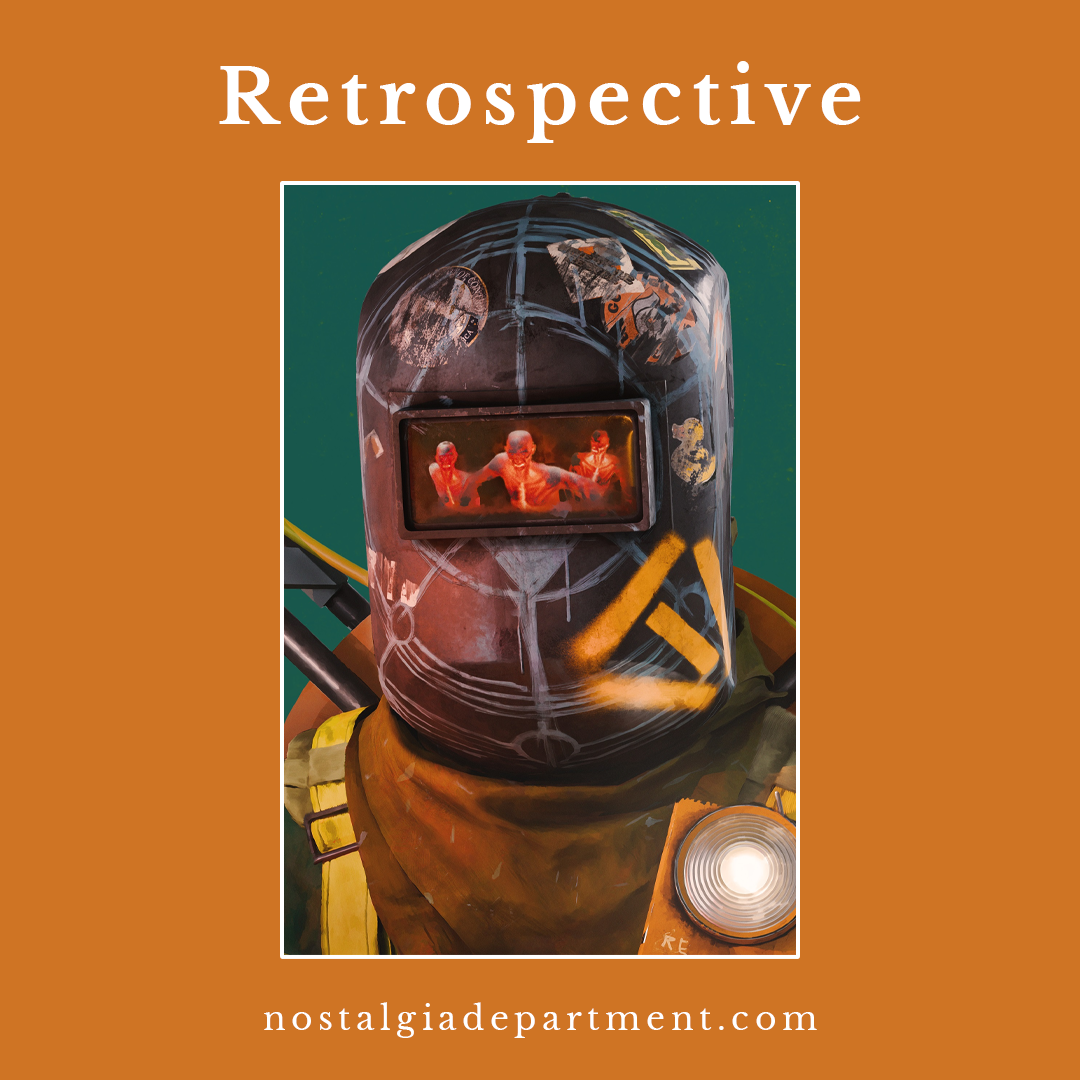
Last week, Remedy published its latest and final major update for FBC: Firebreak. In less than a year since release, Firebreak will no longer be supported with any major updates or new content. This may come as a shock to some, but for others, the graveyard littered with other live service games tells a different story: that the writing was on the wall all along.
Despite Remedy Entertainment’s success with games like Control and Alan Wake 2, FBC: Firebreak was a game even long term Remedy fans were skeptical about from the start. Remedy tried to assure fans that there was something in Firebreak for everyone and that this was an opportunity to bring on new fans from a different genre. Some fans seemed excited that Remedy was once again trying something new, given the developer’s tendency to subvert expectations and break new ground. Others wanted to be supportive of Remedy as the company was in desperate need of a stop gap of income to bridge the development cycles between its single player games. Another segment of the community hoped there would be easter eggs and lore dumps connecting Firebreak to the larger Remedy Connected Universe.
Those who started to clean house on day one experienced a game which felt incomplete. Firebreak was plagued with multiple issues at launch, some of which I talked about in my original review of FBC: Firebreak. Unlockable abilities, weapons, and segregated job progression were some of the most egregious complaints. The lack of a tutorial made it difficult for new players to understand the game's mechanics. Remedy however, was quick to offer patches and a steady stream of updates, even hours after launch to resolve some of these issues. Unfortunately, some players found themselves frustrated by the lack of polish and chose to drop the game entirely.
For my time with the game, I enjoyed seeing the Oldest House once again and exploring the world of Control in this spin off. Despite the lack of a tutorial, I had fun figuring out how each kit worked and exploring around the jobsite. I understand how this may not have been for everyone, which is why most games have a tutorial level, but for me, figuring it out on the fly felt more like a Remedy game that was trying to let us solve a smaller scale puzzle.
Firebreak receives appropriate criticisms for its original high price tag and limited game modes. This game might have fared better if it had taken a little more time in the oven to fix some blaring initial issues before launch. Considering the small amount of content contained within the game, the price tag was far too steep for the average gamer when there are other games in the genre which achieve more for far less.
Firebreak’s closest PVE game equivalent is Helldivers 2. As someone who has played both games, Helldivers 2 sustains itself through battle passes which are not time-locked and are purchasable with in-game currency. While battle passes are a controversial way to pay for live service games, they do provide opportunities for players to customize their player character and provide progression, a reason to log in either to complete quests for currency or to gain experience on the pass. While the Firebreak developers assured players any added cosmetics would be direct-to-purchase items, they were extremely limited in design and did not capitalize on taking advantage of recognizable Remedy/Control themed motifs or characters. Wouldn’t it have been cool to have a Jesse Faden themed Firebreaker voice pack? More cosmetic designs for Firebreaker armor? To me, the lack of internal progression beyond leveling the kits significantly contributed to Firebreak’s struggles. Helldivers 2 provides a model Remedy could have followed which removes FOMO (fear of missing out) pressures while also providing a steady stream of income to the development team.
I worry about how FBC: Firebreak potentially warped the RCU’s storyline. It remains to be seen what long-term impact this game’s lore will have on the greater RCU. Could we have possibly had Jesse Faden in Control 2 had FBC: Firebreak never existed? Would Dylan have recovered from his coma and been a playable character alongside Jesse? Or was this path always set in stone from the beginning of Control’s early development? We may never know.
At least for now Remedy has promised to keep the FBC: Firebreak servers up and running for those still playing this game. Remedy has even offered a Friend's Pass which allows one person to share the game with up to two other friends, a feature which would have been great at launch. However, one can’t help but feel skeptical of “how long” something will be playable given how many other live service games are shut down daily.
Remedy has taken on several new projects and partners following the success of Alan Wake 2. In addition to having a new CEO at the helm, Remedy has signed partnerships with Annapurna to create TV show spinoffs set in both the Control and Alan Wake universes. This comes alongside development of the Max Payne remakes, Control Resonant, and FBC: Firebreak. I fear Remedy is spreading itself too thin to be focused fully on a live service game.
Regardless of Firebreak’s shortcomings, Remedy's next single-player, story based game is scheduled to release later this year with Control Resonant. Will it live up to Control’s legacy? Or will it show that sometimes, changing something for the sake of innovation isn’t always the solution? Only time will tell.
While not the game fans of Remedy asked for, FBC: Firebreak had some interesting ideas and concepts that could have turned into something more given enough time and resources.
What do you think? Was FBC: Firebreak a complete miss by Remedy, or was it something that needed more time for people to warm up to?
Comments